Artists Show You What Things Looked Like Before You Learned to Ignore Them
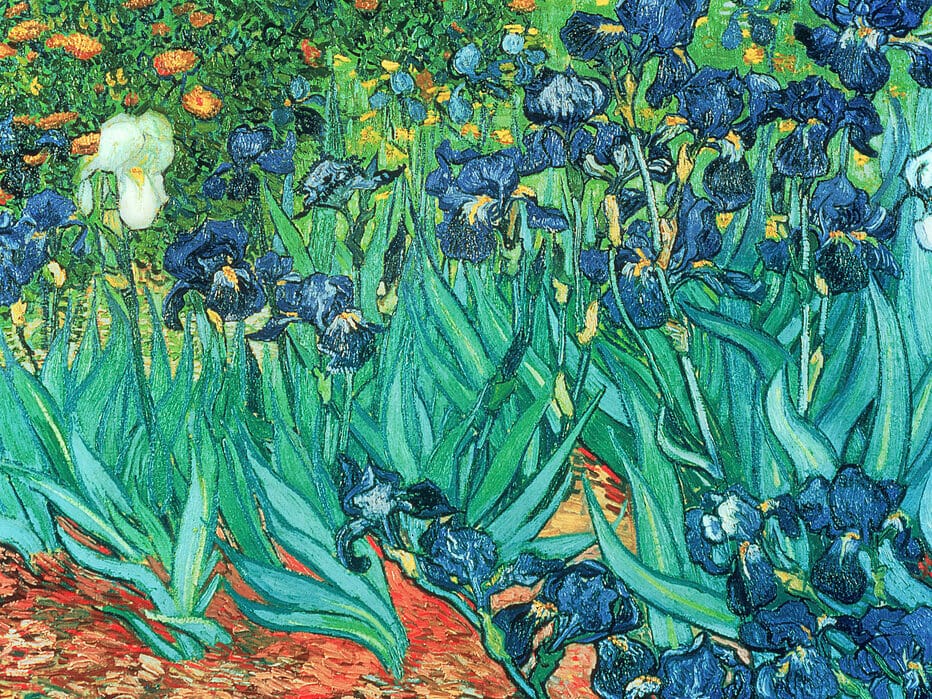
When you first encounter something, it's vivid, complex, alive.
But you can't stay in that state — you'd never get anything done.
Your brain is protecting you.
So it teaches you to ignore it. You build a functional label that stands for the thing itself, and then you stop seeing the thing. You see the label.
A flower becomes "flower" — something you walk past on your way to the office.
Great artists strip away that habituation.
They show you what things looked like before you thought you could see them.
Van Gogh's irises aren't accurate representations of flowers.
They're flowers as they appear when all your learned indifference is removed.
Glowing, alive, hallucinogenic.
That's what flowers look like before you categorized them and moved on.
Aldous Huxley described something similar in Doors of Perception.
Under the influence of Mescaline, the filter that regulates perception gets stripped away.
Everything appears magical, complex, interesting — like you'd never encountered it before.
Great art does something similar, but contained.
It doesn't alter your brain chemistry.
It just reminds you there's more to things than you see now that you've learned to ignore them.